
Teaching Emotional Intelligence to Children Through Faith
- Kenzie Courtney
- Sep 21, 2023
- 4 min read


Emotional intelligence refers to the ability to understand, regulate and express one's emotions in a healthy and productive way. Research shows that emotional intelligence is crucial for success in school, career and relationships. Children with higher emotional intelligence tend to have better social skills, academic achievement and mental health. In today's fast-paced world, teaching emotional intelligence to children is of paramount importance. Emotional intelligence equips children with the skills they need to navigate life's challenges and build meaningful relationships. Moreover, incorporating faith-based education into this process can provide a holistic approach to nurturing emotional intelligence. This article explores the connection between faith-based education and social-emotional development in early childhood, with a focus on the use of faith-based children's books to instill essential life skills.
Why Emotional Intelligence Matters
Emotional intelligence includes skills like identifying emotions, understanding their causes and effects, expressing feelings appropriately, regulating overwhelming emotions, empathy, self-motivation and handling relationships judiciously. Unlike IQ which is fixed, emotional intelligence can be nurtured and grown over time.
Children with higher emotional intelligence are better able to make friends, resolve conflicts, manage stress, focus on academics, understand others' perspectives and cope with challenging situations. Deficits in emotional skills can manifest as aggression, anxiety, depression, poor impulse control and social isolation. Teaching emotional intelligence protects children against mental health issues and builds their capacity to understand themselves and connect with others.
Understanding Social Emotional Development in Early Childhood
Social emotional development in early childhood forms the foundation for a child's overall well-being. It encompasses a range of skills and abilities, including self-awareness, self-regulation, empathy, and effective communication. Children who develop strong social emotional skills are better equipped to manage their emotions, build positive relationships, and succeed academically and later in life.
The Role of Faith-Based Education
Faith-based education integrates spiritual values and beliefs into the learning process. It aims to nurture not only cognitive development but also moral and ethical growth. By incorporating faith-based principles into a child's education, educators and parents can help children develop a strong sense of purpose, moral compass, and resilience.
Teaching Emotional Intelligence Through Faith-Based Education
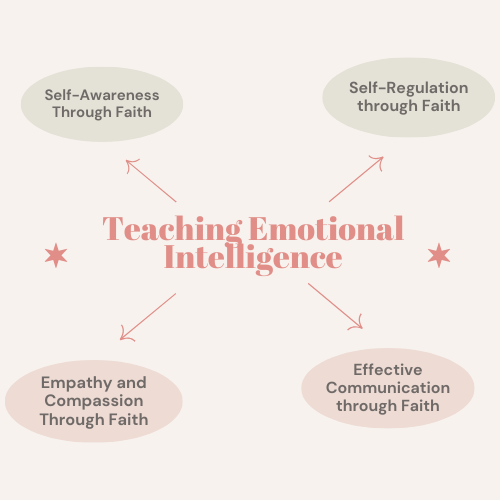
Self-Awareness through Faith
Encouraging self-awareness in children involves helping them understand their emotions and actions. Faith-based education can promote self-awareness by encouraging children to reflect on their behavior in light of their faith. For example, asking questions like, "How would your faith guide your response in this situation?" can help children connect their actions to their beliefs.
Self-Regulation through Faith
Faith-based education can teach children the importance of self-control and patience. By incorporating mindfulness practices rooted in faith, such as prayer or meditation, children can learn to manage their impulses and emotions effectively.
Empathy and Compassion through Faith
Faith often emphasizes the value of compassion and empathy toward others. Teaching children to see the world through the eyes of others, to understand their feelings, and to offer kindness and support aligns with biblical principles. Faith-based stories and parables can be powerful tools for conveying these values.
Effective Communication through Faith
Communication is a vital component of emotional intelligence. Faith-based education can encourage open and respectful communication by teaching children the importance of honesty, forgiveness, and empathy in their interactions with others.
Utilizing Faith-Based Children's Books
One effective way to merge faith-based education and emotional intelligence development is through the use of faith-based children's books. These books are designed to convey important moral and emotional lessons within the context of faith. Here's how they can be used:
Storytelling
Faith-based children's books often feature relatable characters facing moral dilemmas or emotional challenges. Reading and discussing these stories with children can provide valuable opportunities for exploring emotions, values, and faith-based principles.
Discussion and Reflection
After reading a faith-based story, engage children in discussions about the characters' decisions and emotions. Encourage them to reflect on how the story relates to their own lives and faith journey.
Incorporating Faith in Daily Life
Use faith-based children's books to illustrate how faith can guide emotional responses and decision-making in real-life situations. Share examples of characters in the books who turned to their faith for guidance during challenging times.
The Role of Faith and Spirituality
Faith traditions offer meaningful tools to impart emotional intelligence to children. Religious stories, practices and values help children cultivate self-awareness, manage emotions, show kindness, forgive others, delay gratification and find purpose and meaning. Faith provides a moral compass to make wise choices that align with biblical principles.
Exposure to faith and spirituality supports emotional intelligence in the following ways:
Teaches virtues like love, compassion and forgiveness which foster good relationships
Encourages service to others which develops empathy and gratitude
Provides community which gives a sense of belonging and support
Offers coping practices like prayer, worship, and scripture reading which build resilience
Promotes moral values like honesty, generosity that guide children's conduct
Instills hope and optimism to overcome life's challenges
Imparts moral courage to stand up to peer pressure and bullying
Helps make meaning out of suffering and setbacks
How Parents Can Nurture Emotional Intelligence Through Faith
Read biblical stories - Biblical parables and stories often impart emotional intelligence. Discuss the moral dilemmas and experiences of characters and how it relates to your child's life.
Model empathy, forgiveness, gratitude, optimism, humility and other values from scriptures in your parenting. Children imitate behaviors they see at home.
Have children participate in age-appropriate worship services, devotionals, and choirs to develop reverence and cultural identity.
Encourage questioning the meaning of your faith's teachings around suffering, death, love and relationships. Explore these issues openly, without judgement.
Let your child see you praying, worshipping, and digging into the word of God. Explain how it helps calm your mind and manage stress. Practice together.
Share stories of role models from your faith tradition like disciples and apostles. Discuss their virtues and how your child can emulate them.
Give opportunities to serve people in need through community service projects at your church or local groups. This builds empathy.
Expose your child to the music, art, architecture, poetry of your faith for a rich cultural experience.
If you face disappointments or grief, use your spiritual practices and community to cope. Show kids how faith sustains you in hard times.
Utilizing our workbook, “Emotion Explorers”.
Activities to Build Emotional Intelligence
Use engaging activities to teach children emotional intelligence through the lens of faith:
Have children make comic strips showing characters facing moral dilemmas and emotion-provoking situations from sacred stories. Talk about healthy responses.
Act out plays from biblical stories and point out the emotions of different characters. Ask children what they would feel and do in that situation.
Learn soothing songs and chants from your faith to calm the mind when upset.
Draw and color biblical pictures or symbols while listening to worship music to become more self-aware.
Role play situations where kids have to demonstrate empathy, kindness, self-control and forgiveness.
Cook and share meals with needy people at a shelter. Reflect afterwards on how helping others made them feel.
Memorize inspirational quotes from scripture on gratitude, courage and perseverance. Recite them when needing encouragement.
Our workbook, “Emotion Explorers” equips you with all the activities you need to help you develop emotional intelligence through faith.
The early childhood years are an optimal time to plant the seeds of emotional intelligence that will blossom into positive behaviors in the teen and adult years. Integrating lessons from your faith alongside active modeling and practice can nurture the emotional skills kids need to live happier, resilient and compassionate lives.

Conclusion
Teaching emotional intelligence to children through faith-based education offers a holistic approach to their development. It combines the essential skills of social emotional learning with the moral and ethical values rooted in faith. By utilizing faith-based children's books and incorporating faith principles into daily life, we can equip children with the emotional intelligence they need to navigate life's challenges while staying true to their faith. This approach not only prepares children for a successful future but also nurtures their spiritual growth and moral character.


Comments